

Brun, châtain, marron ?
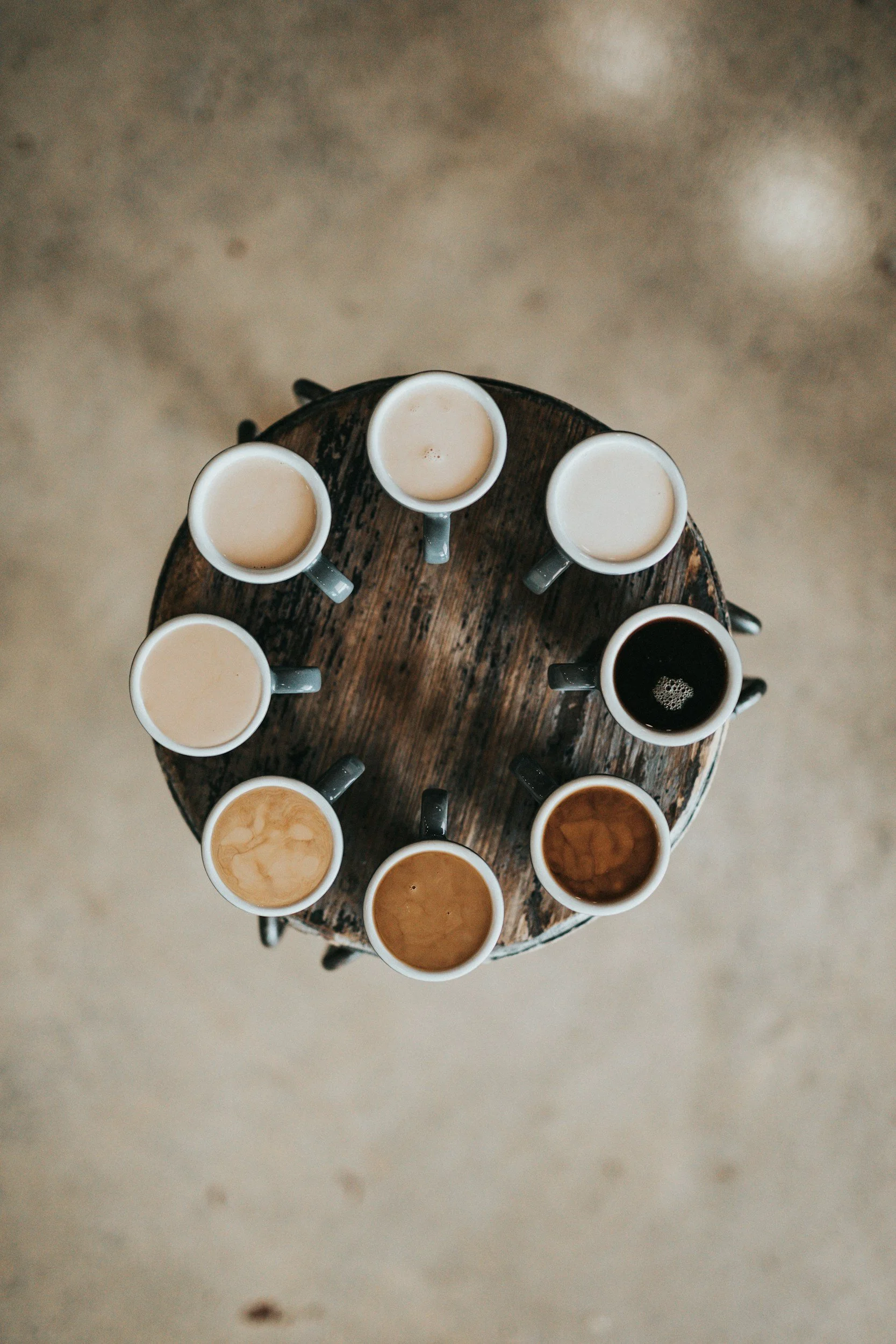
The other day, following a student's remark, I wanted to dig deeper into the use of "brun" (brown), "châtain" (chestnut brown) and "marron" (brown) in French. Why do the French say "yeux marron" far more often than "yeux bruns"? And why "un ours brun" (brown bear), but "un chien marron" (brown dog)?
Dictionaries describe "brun" as a dark colour, somewhere between red and black. The word "châtain" comes directly from "châtaigne" (chestnut) and refers to a medium brown. It's used almost exclusively for hair, and nobody would ever say "un manteau (coat) châtain" or "un canapé (sofa) châtain".
For eyes, "marron" has largely won the battle in metropolitan French. No one can pinpoint when the shift happened or explain exactly why, but in everyday French it has established itself as the go-to word, while "brun" survives in more literary or regional usage. Grammar-wise, the rule is clear: you write "des yeux marron", no s. "Marron" is originally a noun: the fruit, repurposed as a colour adjective, and in French, when a noun becomes a colour adjective, it remains unchanged. Same logic as "des chemises orange" (orange shirts): a fashion faux pas, not a grammar mistake.
"Ours brun" (brown bear) is the established term in zoology. Un "chien marron" (brown dog) is everyday conversation. Not a matter of logic, a matter of register. The boundary is blurry and arbitrary, as it often is in language. Linguists Berlin and Kay showed back in 1969 that no language in the world divides colours logically. Each one makes do with its own heritage and habits.
For now, French keeps juggling between "brun, marron, châtain (chestnut), noisette (hazelnut), chocolat" and honestly, all these colours are starting to make me hungry.
